|
Books & the Arts: March 23, 2026
|
|
 |
On September 30, 1978, the performance artist Tehching Hsieh locked himself inside a jail cell he’d built in his studio in Lower Manhattan. A friend brought him food and emptied a pail that he used as a toilet. For an entire year, Hsieh did not talk, read, write, listen to music, or watch TV. Each day, he marked the passage of time by having his photograph taken. He carved a single mark into the wall with his nail clippers. On September 29, 1979, he was released—or rather he released himself. Hsieh’s performance art, all of which involves these acts of extreme duration, has made him a cult figure, even though he often shies away from the publicity. A major retrospective of his work is now up at Dia: Beacon, and critic Jillian Steinhauer paid a visit to it for the latest Books & the Arts. Meticulously detailing several of Hsieh’s year-long performances, the exhibition, in its sheer wealth of material, demonstrates how the “process” of “confinement, deprivation,” and “endurance” became a way for Hsieh to highlight the “ridiculousness” of the freedoms we think we have and to make the case for “a different, self-sustained kind of freedom.” Read “Tehching Hsieh—an “Artist Without Art”” |
|
| ADVERTISEMENT |
 |
|
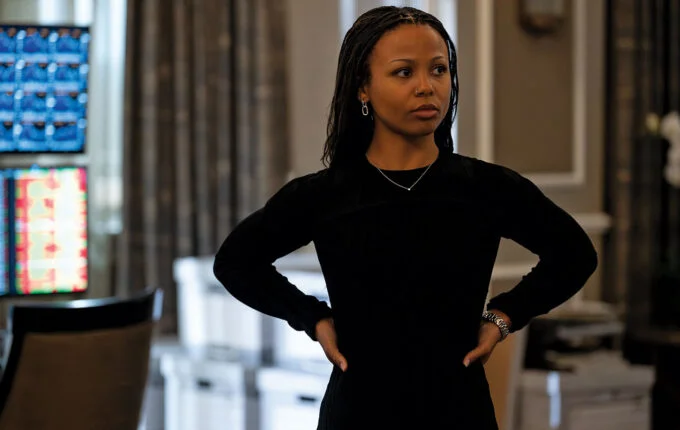
“In the fourth season…everyone has a story to sell,” Jorge Cotte writes in his review of Industry for The Nation’s latest issue. There are the stories of “a neutered fund or loveless marriage, shamed husbands, a life aimless after retirement, a payment-processing firm hampered by its ties to porn and sex work.” On their face, these stories all seem to hinge on “mistaken priorities or misplaced trust.” But they are something else too: They are stories about reinvention and the shifty ways in which fictitious capital is made and lost through speculative investments and securities. “If your story is good enough, the truth will eventually catch up—or at least that’s what Industry’s characters believe.”Read “The Fictitious Capital of HBO’s Industry” |
|
| ADVERTISEMENT |
 |
|
|
|
|
| |
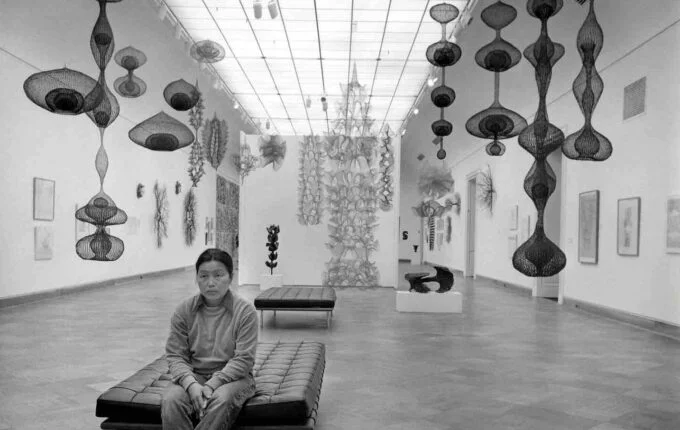 |
| Communing With Ruth Asawa |
|
A retrospective of the California artist’s work emphasizes her sense that art should not be frozen in time in a gallery but belongs in the world, at home and in public.
|
| Quinn Moreland |
|
|
|---|
|
|
| Support The Nation’s Journalism |
| At a time when our republic is threatened like never before by oligarchy and unchecked power, support progressive, independent journalism that holds the powerful to account and fights for justice. |
|
|
|
 |
| Not yet a subscriber of The Nation? Get one year of unlimited digital access for just $15. |
|
|
| You are subscribed to Books & the Arts. Want to change how you receive these e-mails? You can update your preferences or unsubscribe. |
| Privacy Policy • Advertise • Contact Us |
|
|
© 2026 The Nation
520 8th Ave, New York, NY 10018 |
|
|