|
Books & the Arts: November 3, 2025
|
|
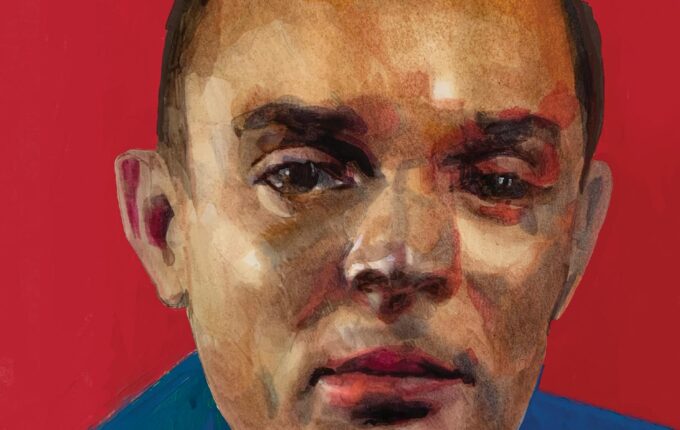
Chester Himes was in his mid-40s when he began writing detective fiction. Having spent years and years trying to jump-start a literary career, he had found himself at something of an impasse. He had written some accomplished novels, but they had not achieved the financial and critical success that they deserved and that he also needed. At the suggestion of his French translator, Marcel Duhamel, who ran a line of crime novels called La Serie Noire for Gallimard, Himes turned his attention to genre fiction. What followed were some of his most brilliant, searing works, “raucous, ribald, absurd, and yet gritty and realistic,” writes Gene Seymour. They also blended modernist art with sharp-eyed social analysis. In them one finds “a thwarted, combustible, often embittered romantic…the kind of romantic capable even on his worst days of spinning stories about tough, sore men using fair or foul methods to keep—or find—peace.” Read “Chester Himes’s Harlem Noirs” |
|
| ADVERTISEMENT |
 |
|
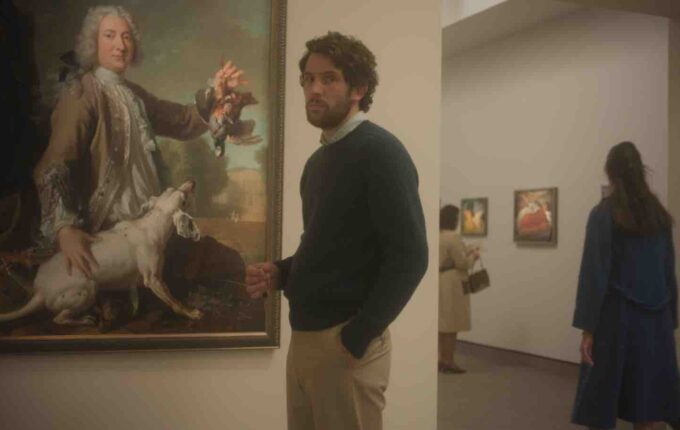
Kelly Reichardt’s The Mastermind is, on its face, a heist movie: It concerns a robbery committed at a museum in broad daylight by a crew led by a disaffected artist named James Mooney. Set in the 1970s, the film is the director’s most political work: All throughout it are hints of the decade and the whiplash that came in the wake of rebellion and counterinsurgency. Mooney is an avatar of the time, a figure caught between the fresh air of revolution and a stale domestic atmosphere, who turns to crime to liven up his life. Politics, in one way or another, always animates Reichardt’s work, but usually in a reserved, understated fashion. In The Mastermind, Vikram Murthi writes in his review, she is far more explicit, anticipating “the moment when…simmeringc frustration—catalyzed by a decade of war, assassinations, and cultural upheaval—would eventually boil over.” Read “A Downbeat Take on the Heist Movie” |
|
| ADVERTISEMENT |
 |
|
 |
| Is It Too Late to Remake American Democracy? |
| A conversation with Osita Nwanevu about the fatal flaws of our governing system, the need for a more egalitarian political economy, and his new book The Right of the People. |
| Daniel Steinmetz-Jenkins |
|
| |
 |
| Who’s the Boss? |
|
A bowdlerized biopic of Bruce Springsteen, starring Jeremy Allen White, flattens a musician whose politics and identity are much more complicated.
|
| Naomi Gordon-Loebl |
|
|
|---|
|
 |
| What T.J. Clark Sees |
|
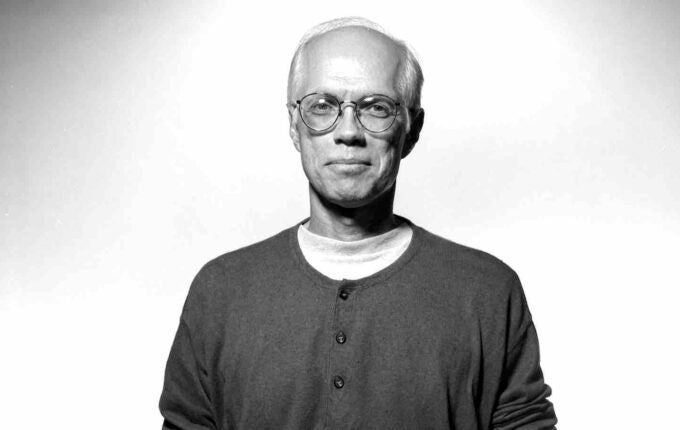
His art criticism reaches rarified heights—combining style, rigor, and politics like almost no one else.
|
| Barry Schwabsky |
|
| |
|
|---|
|
|
| Support The Nation’s Journalism |
| At a time when our republic is threatened like never before by oligarchy and unchecked power, support progressive, independent journalism that holds the powerful to account and fights for justice. |
|
|
|
 |
| Not yet a subscriber of The Nation? Get one year of unlimited digital access for just $15. |
|
|
| You are subscribed to Books & the Arts. Want to change how you receive these e-mails? You can update your preferences or unsubscribe. |
| Privacy Policy • Advertise • Contact Us |
|
|
© 2025 The Nation
520 8th Ave, New York, NY 10018 |
|
|