|
Books & the Arts: February 3, 2025
|
|
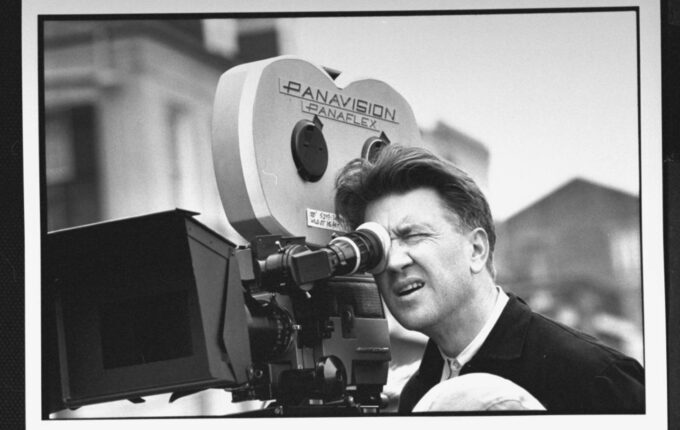 |
In January, the iconic American auteur died at the age of 78. A painter, writer, and film and TV director, Lynch was good at nearly everything he tried his hand at. He was also deftly skilled at operating in different styles and modes all at once. He could be impish and serious, profound and slapstick, philosophical and literary, acutely aware of the world around him and yet able to imagine worlds entirely his own. Books & the Arts ran two homages to his consummate mastery. Writing about the themes and style that informed his films and TV, historian Erik Baker noted: “Lynch’s work is unsettling precisely because it gives us the world we inhabit in ways that help us recognize it as the nightmare it so often is. The world he presents us is uncanny in the sense Freud exposited: unheimlich, un-homely.” Added Vikram Murthi, one of The Nation’s frequent film and television critics, “Lynch understood that images were a code to the unconscious mind, a place where words can only accomplish so much.” Read “The Unsettling Genius of David Lynch” |
|
| ADVERTISEMENT |
 |
|
 |
What makes translation different from writing? How is the task of the translator different from that of the author? In The Philosophy of Translation, Damion Searls investigates the essential differences—and similarities—between translation and writing: how the translator ultimately does a lot of writing too, and how the author ultimately ends up doing a considerable amount of translation. As Lily Meyer, a translator herself, writes in an essay-review for Books & the Arts: “At the end of the day, the translator’s job, the essential aspect of moving a text from one language to another, is to write a new book—and write it well.” That this book is honest to the original—that it represents it—is far more important than which specific words a translator uses: Like the writer of a book, communication—those choices of composition about what is disclosed and what is hidden—is the key to any great work by a translator. The translator, like the writer, ultimately as result also creates a text. As Searls puts it: “Rather than beginning from an assumption of two separated contexts, we should view the translator as someone in a diverse community who reads a text in one language and produces a text in a different language.” Read “The Art of Reading Like a Translator” |
|
| ADVERTISEMENT |
 |
|
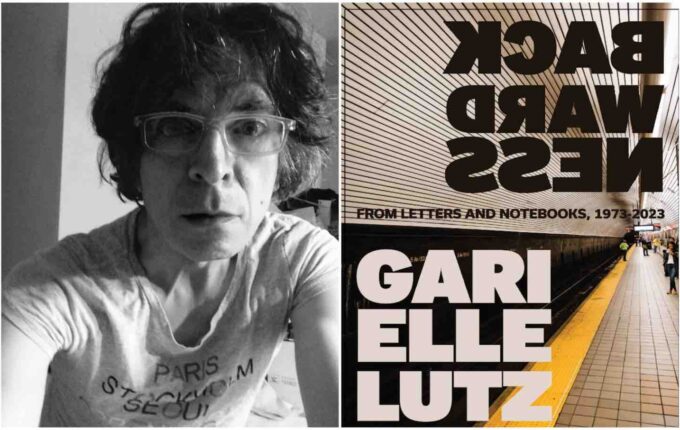 |
| The Polymath of Pittsburgh |
|
Garielle Lutz is one of America’s great writers. Why has her literary genius gone unnoticed?
|
| Daniel Kolitz |
|
| |
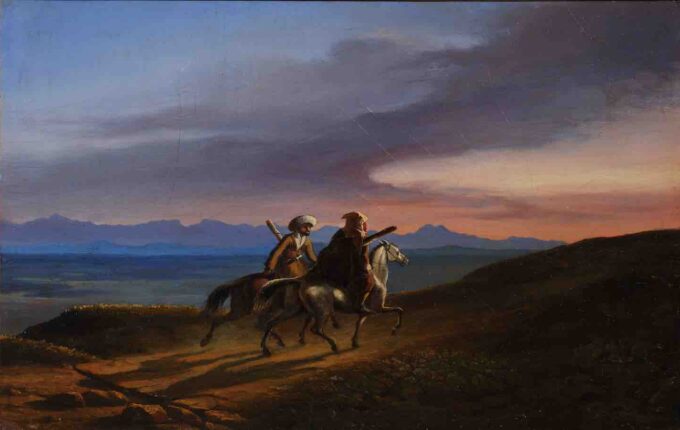 |
| The Reckless Creation of Whiteness |
| In The Unseen Truth, Sarah Lewis examines how an erroneous 18th-century story about the “Caucasian race” led to a centuries of prejudice and misapprehension. |
| Erin L. Thompson |
|
|
|---|
|
|
|
|
| Support The Nation’s Journalism |
Ensure that progressive, independent journalism encourages debate, foments
change, and lifts up the voices of those fighting for justice continues at a moment
when we need it most. |
|
|
|
 |
| Not yet a subscriber of The Nation? Get one year of unlimited digital access for just $15. |
|
|
| You are subscribed to Books & the Arts. Want to change how you receive these e-mails? You can update your preferences or unsubscribe. |
| Privacy Policy • Advertise • Contact Us |
|
|
© 2025 The Nation
520 8th Ave, New York, NY 10018 |
|
|


